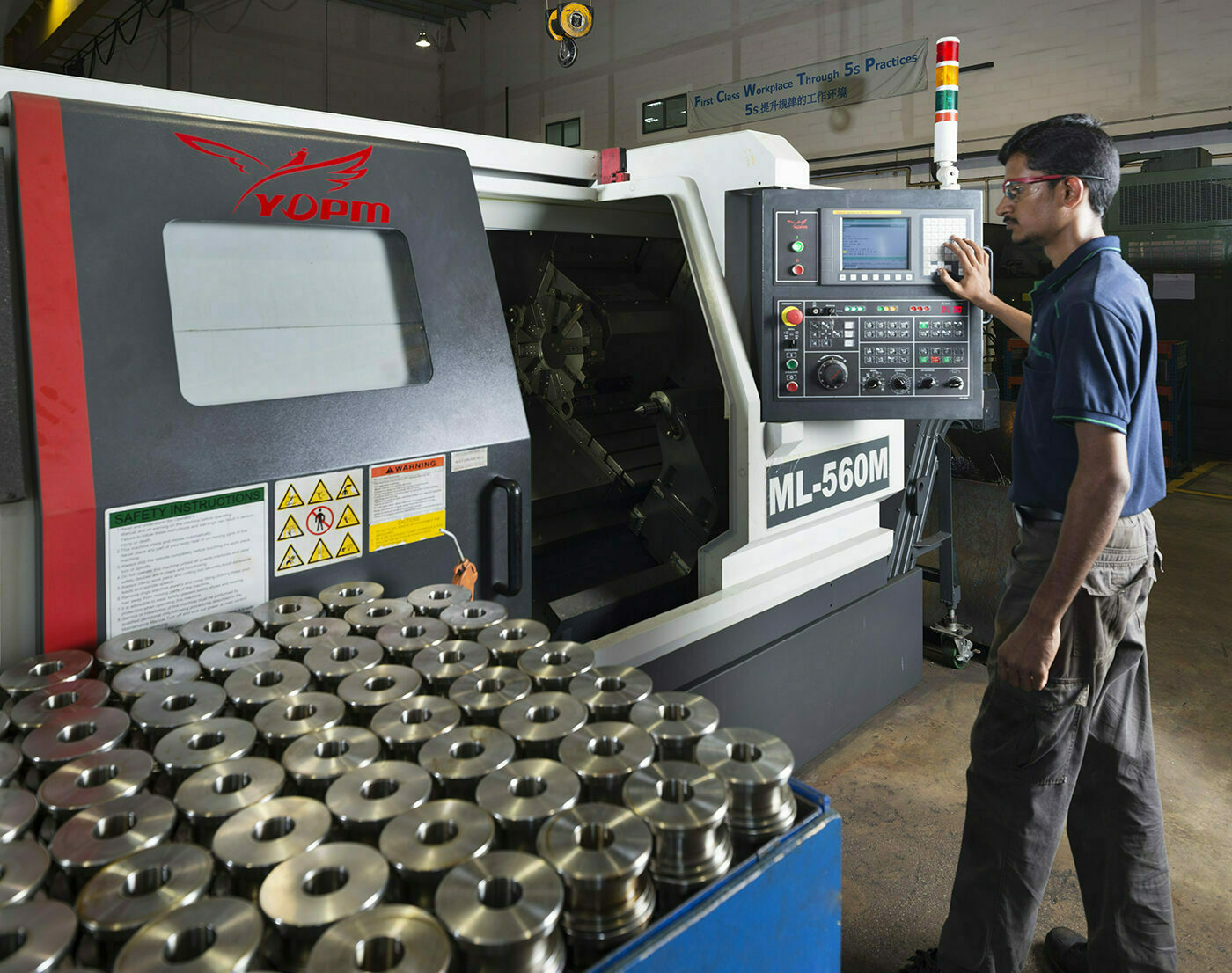
Hydraulic actuators are the often unseen champions of many applications across the world, quietly operating high-load tasks in building, agribusiness, production, and excavation operations. These powerful hydraulic units convert controlled liquid into controlled, straight-line action, elevating, forcing, pulling, and positioning heavy materials with precision and consistency. While they may appear surprisingly plain from the surface, the efficiency of a hydraulic cylinder is the result of the smooth coordination of multiple inner elements functioning together in perfect harmony. Understanding these essential parts and their functions is key for anyone involved in design, operation, or maintenance of hydraulic systems. Hydraulic cylinder parts
Core Components of a Hydraulic Unit and The Way They Operate
At the center of each industrial unit lies the cylinder body, a precision-machined chamber that supports the main internal parts. It functions as the central structure of the unit and contains the working fluid that transmits energy. Because it must handle high operating force and support steady movement, the inside bore of the tube is finely finished to strict tolerances.Inside this housing sits the sliding disc, the active part that divides the inside area into separate fluid chambers. When controlled fluid is channeled to either face of the disc, force develops and pushes the component along the length of the tube. This action is what directly delivers the powerful, straight-line force that the cylinder is built to deliver. The piston’s fit and sealing within the housing are critical for effective force transfer and minimal oil loss.
Connected directly to the core is the output rod, a strong alloy shaft that transmits the power produced within the cylinder to the outside equipment. Whether pushing out to lift a heavy object or pulling back to reset a assembly, the piston shaft must be extremely tough and long-lasting. Often chrome-plated or otherwise treated to minimize rust and resistance, this component ensures that the system can provide reliable performance under the toughest conditions. Hydraulic cylinder parts
Why Understanding Hydraulic Cylinder Components Is Important More Than You Think
Hydraulic cylinders play a critical purpose in numerous mechanical operations, but their efficiency and service life depend on the condition of each internal element. Learning the roles of the main body, piston, output, rings, and additional components empowers operators to identify issues rapidly, perform servicing in advance, and make better actions about fixes or replacements. A failed shaft seal might result in oil leakage long ahead of a internal breakdown becomes clear, and spotting this early can prevent significant interruptions and maintenance bills.Moreover, picking the right mechanical unit for a given task requires awareness of how these components impact force, speed management, and lifespan. Whether you are planning equipment for a building fleet, servicing field equipment, or analyzing industrial processes, a clear understanding of hydraulic actuator design helps ensure best efficiency.
As the foundation of so countless mechanical machines, mechanical cylinders require serious attention. By understanding the jobs each part performs—from the durability of the piston shaft to the precision of a compact O-ring—you unlock the true capability of your systems and safeguard its performance for a long time to forward.
Find out more on - Hydraulic cylinder parts